
CONTACT US:
425-236-6777

Your roof is one of the most important parts of your home, as it protects you and your belongings from the elements. However, your roof can also suffer from damage due to aging, weathering, or improper installation or maintenance. If left unchecked, roof damage can lead to leaks, mold, structural problems, or even collapse under the weight of snow. That's why it's essential to inspect your roof regularly and fix any issues before they become serious.
How to Inspect Your Roof
There are two ways to inspect your roof: from the ground and from the roof itself. You can perform a basic inspection from the ground by walking around your house and looking for any visible signs of damage, such as missing or broken shingles, sagging or buckling areas, stains or discoloration, or debris accumulation. You can also use a pair of binoculars or a camera with a zoom lens to get a closer look at your roof.
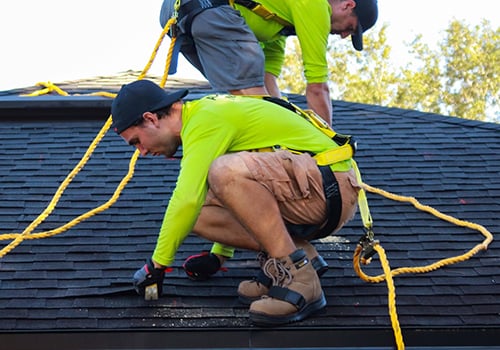
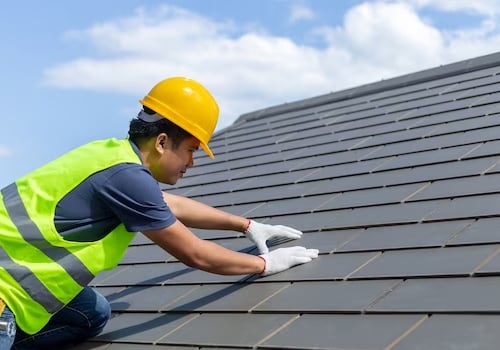
However, a ground inspection may not reveal all the problems that your roof may have. To get a more thorough and accurate assessment, you need to get on the roof and examine it up close. However, this can be dangerous and should only be done by someone who is experienced and comfortable with working at heights. You should also follow some safety precautions, such as:
(a) Choose a clear and dry day to inspect your roof.
Avoid inspecting your roof when it's wet, windy, or snowy, as this can increase the risk of slipping or falling.

(b) Wear proper clothing and footwear.
An improperly maintained fireplace or stove may not produce enough heat or may waste energy, leading to increased utility bills.
(c) Use a sturdy and stable ladder.
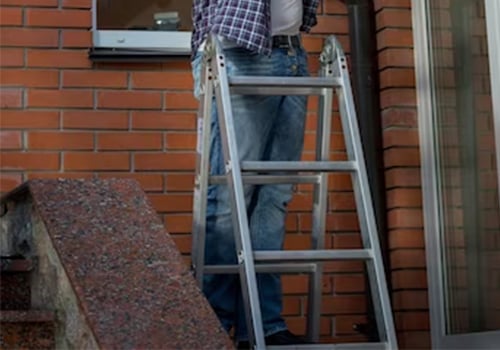
Make sure the ladder is in good condition and has no cracks or defects. Place the ladder on a level and firm surface and secure it to the roof or the house with ropes or straps. Extend the ladder at least three feet above the roof edge and angle it at 75 degrees from the ground.
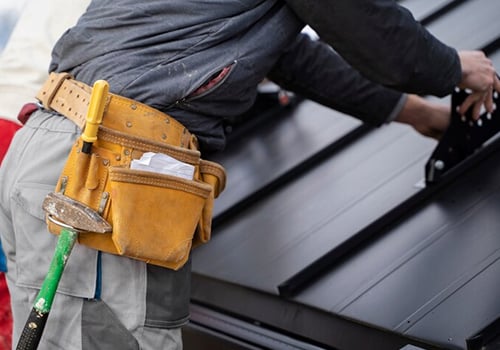
(d) Use safety equipment and tools.
Wear a safety harness and attach it to a secure anchor point on the roof or the house. Use a rope or a bucket to carry your tools and materials to the roof. Avoid carrying anything in your hands while climbing up or down the ladder.
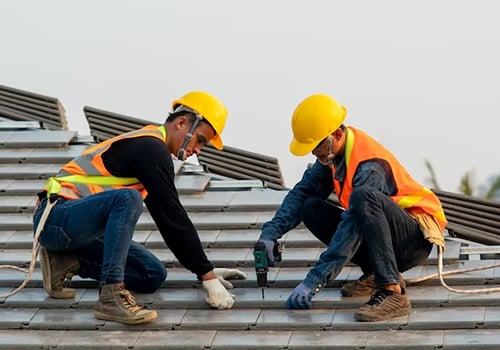
(e) Work with a partner or a helper.
Have someone assist you with holding the ladder, handing you tools or materials, or calling for help in case of an emergency.
Signs of Roof Damage
Once you're on the roof, you should inspect every part of it carefully and systematically. You should look for any signs of damage, deterioration, or malfunction that could affect your roof's performance and integrity. Some of the things you should look for are:
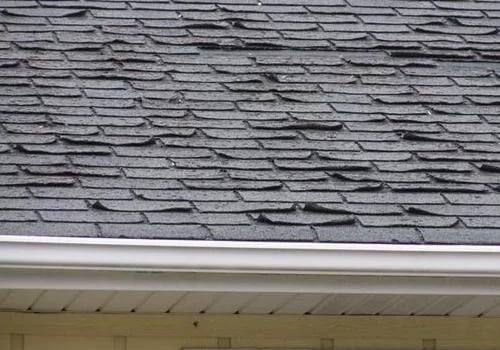
(a) Shingles
Check for any missing, cracked, curled, blistered, or loose shingles. Look for any signs of granule loss, which indicates shingle wear and tear. Replace any damaged or missing shingles as soon as possible.
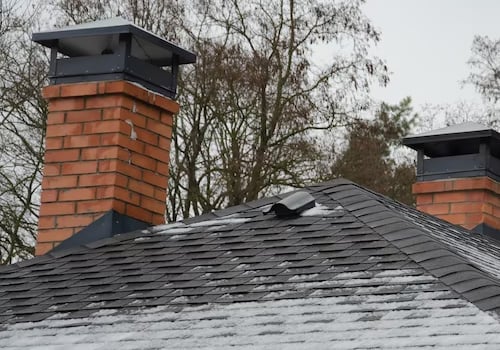
(b) Flashing
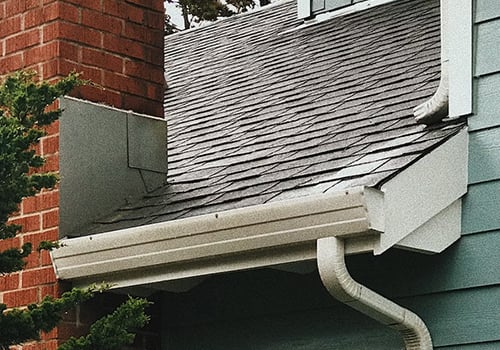
Check for any gaps, cracks, rust, corrosion, or deterioration in the metal strips that seal the joints and edges of your roof. Look for any signs of water penetration or leakage around chimneys, skylights, vents, pipes, valleys, or dormers. Repair or replace any damaged or faulty flashing as soon as possible.
(c) Gutters
Check for any clogs, leaks, holes, sagging, or detachment in your gutters and downspouts. Look for any debris accumulation, such as leaves, twigs, dirt, or granules that could block water flow and drainage. Clean and clear your gutters and downspouts regularly and fix any problems as soon as possible.
(d) Ventilation
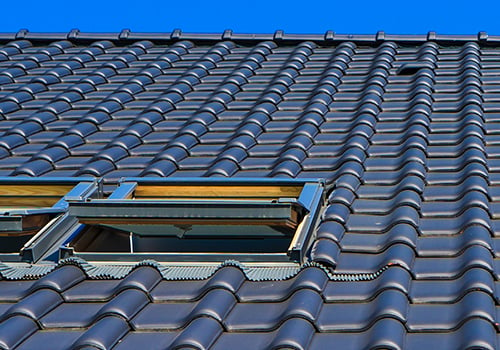
Check for any blockages, cracks, leaks, or damage in your ventilation system that could affect air circulation and moisture control in your attic and roof. Look for any signs of condensation, mold growth, wood rot, rusting nails, or ice dams that could indicate poor ventilation. Improve your ventilation system by adding more vents or fans if needed.
(e) Insulation
Check for any gaps, holes, tears, wetness, mold growth, rodent infestation, or damage in your insulation material that could affect heat retention and energy efficiency in your home. Look for any signs of heat loss,
such as uneven temperatures, high heating bills, or ice dams that could indicate poor insulation. Add more insulation material or replace damaged insulation as soon as possible.
Preventing Snow-Related Roof Issues
(a) Snow Removal
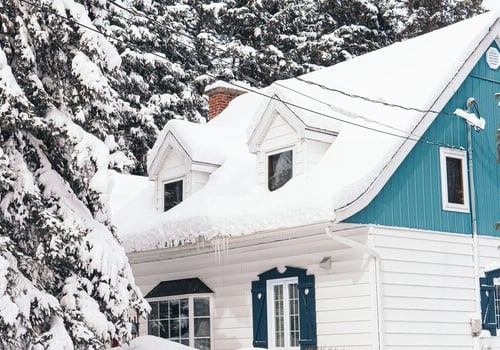
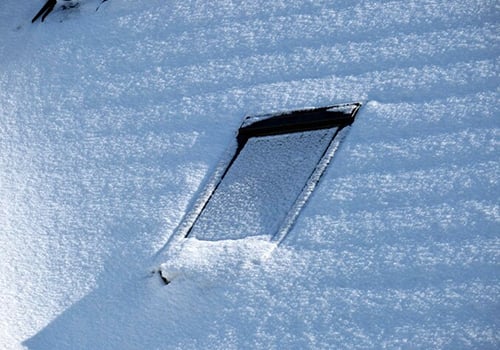
After heavy snowfalls, consider removing excess snow from your roof using a roof rake. Be cautious, as this can be dangerous. If you're not comfortable doing it yourself, hire a professional.
(b) Insulate and Ventilate
Proper attic insulation and ventilation can help prevent ice dams, which occur when warm air from your home melts snow on the roof, leading to refreezing and ice buildup. This can damage your roof and cause leaks.

(c) Professional Inspection
Schedule a professional roof inspection at least once a year, preferably in the fall or spring, to catch any issues before winter arrives.
Roof inspection is an essential part of maintaining your home's safety, comfort, and value. By inspecting your roof regularly and fixing any issues before they become serious, you can prevent leaks, collapses, or other problems that could damage your home or endanger your family. You can also hire a professional roof inspector to conduct a more thorough and reliable roof inspection and provide you with expert advice and service.


If you have any questions or comments, email me
at georgem@bentleyproperties.com and those questions are answered within 30 minutes.
OR if you would like more information on Our Proven Unique Systems and Programs, call us
at 425-236-6777 or visit our website www.GeorgeMoorhead.com
For FREE Online Home Evaluation,
please complete the form below
Looking for Investment Properties?
Let us know what you need
©2023. All rights reserved
GEORGE MOORHEAD - Bentley Properties georgem@bentleyproperties.com
Direct: 425-236-6777
14205 SE 36th St., Suite 100, Bellevue WA 98006
19125 North Creek Pkwy #120, Bothell 98011
Office: 425-747-1901